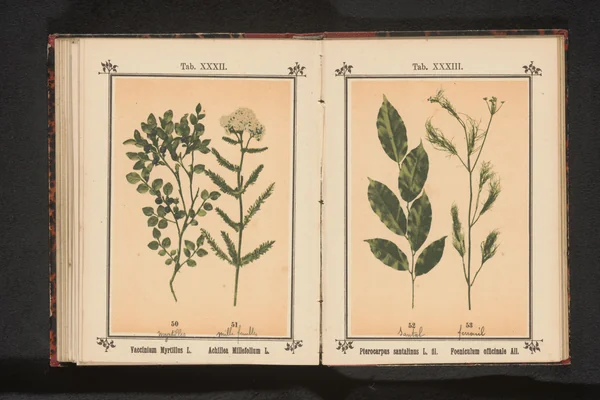
Rakta Chandana (Pterocarpus santalinus) is a medicinal plant with a recognized place in Ayurveda and Indian traditional health practice. It belongs to the Fabaceae family, and the main material discussed here is Heartwood. A useful understanding of Rakta Chandana goes beyond a short list of claims. Correct botanical identity, the plant part used, preparation method, traditional qualities, dose and the individual using the herb all influence how it is understood.
For readers researching Rakta Chandana benefits, the most useful starting point is the herb’s traditional context rather than treating it as a universal remedy.
In Ayurveda, Rakta Chandana is traditionally described with a Rasa of Tikta, Madhura, Guna of Guru, Ruksha, Virya of Sheeta, and Vipaka of Katu. Its Dosha relationship is commonly summarized as follows: Traditionally Pitta-Kapha balancing and cooling. These properties are interpreted together. Rasa describes taste, Guna describes functional qualities, Virya reflects heating or cooling potency, and Vipaka describes the post-digestive effect. Together, these characteristics help explain why Rakta Chandana may be selected for some patterns and modified, combined or avoided in others.
Traditionally, Rakta Chandana is most closely associated with skin care, complexion, cooling applications and bleeding-related traditions. Ayurveda does not usually match one herb to one diagnosis in isolation. Digestive strength, appetite, bowel habits, sleep, age, season, constitution and the presence of heat, dryness, heaviness or depletion all influence selection. This is why two people asking about the same concern may receive different recommendations. A balanced discussion of Rakta Chandana benefits should therefore distinguish classical use from modern research and should avoid presenting a traditional indication as proof of disease treatment.
Ayurvedic Properties of Rakta Chandana
The form of Rakta Chandana changes how it is used. Common preparations include heartwood powder, paste and traditional external formulations. A food, tea, powder, decoction, medicated oil and concentrated extract are not automatically interchangeable. Traditional formulas often rely on the relationship between the herb, preparation method and accompanying ingredients, while modern extracts may be standardized to selected compounds. When choosing a product, look for the botanical name, plant part, serving size, extraction information when relevant, and basic quality-testing details.
Modern scientific interest in Rakta Chandana includes santalin pigments, polyphenols and anti-inflammatory research. Researchers have also examined constituents such as santalins and phenolic compounds. These studies can help explain possible mechanisms and identify areas that deserve further investigation, but laboratory findings, animal experiments and human clinical studies do not provide the same level of certainty. When reading claims about Rakta Chandana benefits, check what preparation was studied, who was studied, how long the study lasted and whether the findings apply to the form being sold.
7 Traditional Uses and Rakta Chandana Benefits
For people interested in skin, scalp, hair, complexion and external herbal care, Rakta Chandana may be viewed as one part of a broader routine rather than a stand-alone solution. Food quality, sleep, movement, stress management and appropriate medical care usually have a larger effect on long-term health than any single herb. Herbal use can still be meaningful when it is selected thoughtfully and used in a suitable form. The realistic goal is to understand where Rakta Chandana may fit within traditional practice while keeping expectations proportionate to the available evidence.
One practical question is whether Rakta Chandana is better used as a traditional whole-herb preparation or a standardized extract. There is no universal answer. Whole-herb preparations contain a broad range of plant compounds and may be closer to traditional forms, whereas standardized extracts can provide more consistent concentrations of selected constituents. Consistency can be useful, but higher concentration does not automatically mean better. The intended purpose, individual tolerance, other medicines and product quality all matter.
Another common question is how quickly someone should expect an effect from Rakta Chandana. Traditional herbal practice does not treat every plant as an immediate-acting substance. Some preparations are used for short-term digestive, respiratory or topical comfort, while nourishing, cognitive or restorative herbs may be taken for longer periods under guidance. Products that promise dramatic results for complex chronic conditions deserve caution. People researching Rakta Chandana benefits should also consider diet, sleep, activity and medical care rather than relying on a single supplement.
Rakta Chandana Benefits and Modern Research
Safety is an essential part of understanding Rakta Chandana. Red sandalwood is conservation-sensitive and may be adulterated; verify legal and authentic sourcing. Even herbs with a long history of use can behave differently when concentrated into extracts. Pregnancy, breastfeeding, childhood, older age, surgery, liver or kidney disease and the use of several prescription medicines can all change the risk profile. People with significant medical conditions should discuss regular therapeutic use with a qualified clinician or experienced Ayurvedic practitioner who can consider the whole context.
Product quality deserves equal attention. Herbal materials vary with species, geography, cultivation, harvest time, storage, processing and extraction. Adulteration or substitution can also occur. A trustworthy product should clearly identify Pterocarpus santalinus, state the plant part used, provide manufacturer and batch information, and ideally include appropriate testing for identity and contaminants. Research on a correctly identified plant should not automatically be applied to a mislabeled or poorly manufactured product sold under the same common name.
People often search for ‘Rakta Chandana benefits’ and find pages that list many diseases without context. A more useful approach is to ask: What is the exact botanical name? Which part is used? What are the Ayurvedic properties? What is the traditional role? Which compounds have been studied? What form was used in research? What safety issues matter? Answering these questions creates a clearer and more trustworthy picture than collecting as many benefit claims as possible.
How Rakta Chandana Is Traditionally Used
It is also important to separate supportive use from treatment. Rakta Chandana may have a traditional place in routines connected with skin care, complexion, cooling applications and bleeding-related traditions, but persistent, severe or unexplained symptoms should be assessed medically. Ongoing pain, recurrent fever, unexplained bleeding, severe breathing difficulty, chest pain, progressive weakness, urinary obstruction or symptoms that continue despite self-care are examples where professional evaluation matters more than experimenting with herbal remedies.
From a traditional formulation perspective, Rakta Chandana may be used with other herbs rather than alone. Combinations can be chosen to support digestion, balance excessive heating or cooling, reduce dryness, support a tissue or make a formula more appropriate for the individual. The vehicle used with a herb, such as warm water, milk, ghee or another medium, can also change the traditional intent. This is why understanding Rakta Chandana benefits requires more than knowing one ingredient name.
Rakta Chandana Safety, Side Effects and Precautions
For everyday decision-making, identify the exact herb, confirm the intended plant part, choose an appropriate preparation, use a reputable product and keep expectations realistic. Do not assume that a larger dose is better, and do not combine several concentrated products simply because they are marketed as natural. If the goal is long-term support for skin, scalp, hair, complexion and external herbal care, observe how the body responds and reassess whether the herb is actually helping rather than continuing it automatically.
In summary, Rakta Chandana (Pterocarpus santalinus) remains important because it brings together classical Ayurvedic knowledge, practical traditional use and continuing scientific interest. Its value is best understood through botanical identity, plant part, Ayurvedic properties, preparation, evidence level and safety profile. The most useful view of Rakta Chandana benefits is not that of a miracle remedy, but of a plant with a specific traditional context, evolving research and clear limits that support more responsible use.