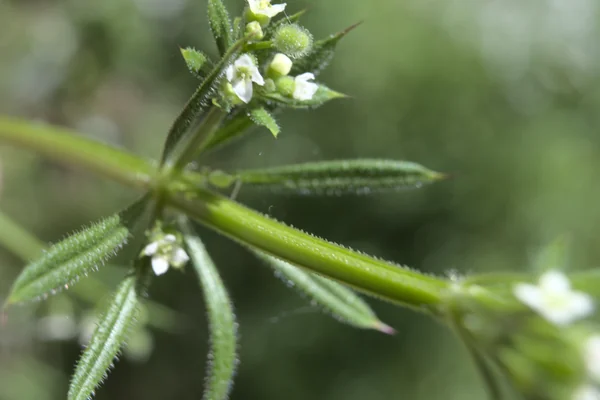
Goosegrass (Galium aparine) is a medicinal plant associated with traditional Indian herbal practice. It belongs to the Rubiaceae family, and commonly referenced plant material includes Traditionally used plant parts vary by preparation. For readers researching Goosegrass benefits, correct botanical identification matters because the same common name may be used for different species, while roots, bark, leaves, seeds, fruits or other plant parts can have very different chemical profiles and uses.
A useful overview of Goosegrass should go beyond a simple list of claims. Traditional use, preparation method, plant part, dose, product quality and the individual using the herb all influence how it should be understood. The herb is most closely connected here with urinary flow, psoriasis care, inflammation research and urinary comfort. These are best viewed as traditional wellness contexts rather than guarantees of treatment.
Ayurvedic Properties of Goosegrass
In Ayurveda, plant selection is traditionally understood through factors such as Rasa, Guna, Virya, Vipaka, Dosha relationship, Agni, Ama and the strength of the individual. For Goosegrass, the safest approach is to confirm species-specific classical properties for Galium aparine rather than assuming that every regional or common-name identification has the same profile.
The traditional context of Goosegrass can still be understood through its documented plant part and use pattern. Its association with kidney & urinary health makes preparation especially important. A decoction, powder, paste, fresh juice, culinary preparation, oil or concentrated extract can differ substantially in strength and suitability. More concentrated does not automatically mean more effective or more appropriate.
7 Traditional Uses and Goosegrass Benefits
One useful theme is urinary flow. This reflects how the herb has been used within a broader traditional context rather than as a stand-alone substitute for medical care.
One useful theme is psoriasis care. The relevance of this use depends on the plant part, preparation and individual constitution.
One useful theme is inflammation research. Traditional practice usually considers digestion, age, season and accompanying symptoms before selecting an herb.
One useful theme is urinary comfort. When an herb is used externally and internally in different traditions, those routes should not be treated as interchangeable.
One useful theme is fluid balance. Modern products may concentrate selected constituents, so label instructions and product quality become particularly important.
One useful theme is bladder support. Traditional herbal care often combines several ingredients, so a classical formula can differ from a single-herb supplement.
One useful theme is traditional diuretic use. This should be interpreted as part of the herb’s traditional profile, not as proof that it cures a named disease.
Goosegrass Benefits and Modern Research
Modern research on Goosegrass examines the chemistry and biological activity of Galium aparine using laboratory studies, animal models and, where available, human research. These different types of evidence should not be treated as equivalent. A laboratory finding may help explain a possible mechanism, but it does not automatically establish a clinical benefit in people.
When reading claims about Goosegrass benefits, check the exact species, plant part and preparation studied. Research on one extract cannot automatically be applied to a tea, powder, oil or a related species. This is especially important with medicinal plants that have several regional names or historical substitutes.
Useful health content should be specific and transparent: botanical identity, traditional use, preparation, quality, safety and the limits of current evidence. This makes information about Goosegrass benefits more trustworthy and more valuable to readers than repeating broad claims or using the keyword unnaturally.
How Goosegrass Is Traditionally Used
Traditional preparations of Goosegrass depend on the plant part and intended purpose. Forms may include powders, decoctions, infusions, fresh plant preparations, pastes, medicated oils or multi-herb formulations. The appropriate form should match the traditional context. A topical paste, for example, should not be assumed to have the same safety profile as an internal extract.
For practical use, start by confirming the botanical name Galium aparine, the plant part used and the concentration of the product. Choose clearly labeled products from reputable manufacturers and avoid assuming that a larger dose is better. Long-term medicinal use deserves periodic review, particularly when other medicines or chronic conditions are involved.
Goosegrass Safety, Side Effects and Precautions
Safety is an essential part of understanding Goosegrass. Therapeutic use should consider dose, preparation, age, pregnancy status, medical conditions and concurrent medicines. Pregnancy, breastfeeding, childhood, older age, surgery, liver or kidney disease and the use of prescription medicines can all change the risk profile. Natural does not mean risk-free, and concentrated extracts can produce exposures very different from ordinary food-level or traditional household use.
If Goosegrass is being considered for a persistent or significant health concern, regular therapeutic use should be discussed with a qualified clinician or experienced Ayurvedic practitioner. Urgent or unexplained symptoms should be medically assessed rather than managed only with herbal self-care.
In summary, Goosegrass (Galium aparine) is best understood through accurate identification, traditional context, appropriate preparation, realistic evidence and safe use. For people searching for Goosegrass benefits, the strongest approach is to combine respect for traditional knowledge with careful attention to product quality, modern evidence and individual health needs.